Fresh natural food products

Routine Nutrition Basics

Nutrition plays a fundamental role in maintaining normal physiological processes in the body. The foods we consume daily provide essential nutrients that support various bodily functions, from energy metabolism to immune response and cellular maintenance.

Understanding the role of key nutrients in everyday nutrition helps create awareness about food sources and their significance in maintaining general health through daily dietary choices.


Educational content only. No promises of outcomes.

Core Routine Nutrients

Nutrient Role in Daily Physiology Natural Food Sources
Selenium Supports antioxidant function and thyroid metabolism Brazil nuts, fish, sesame seeds
Magnesium Involved in muscle function and energy metabolism Pumpkin seeds, whole grains, dark leafy greens
Folate (Vitamin B9) Supports cell division and DNA synthesis Leafy greens, legumes, asparagus
Omega-3 Fatty Acids Support cardiovascular and brain function Fatty fish, flax seeds, walnuts
Antioxidants Help protect cells from oxidative stress Berries, dark vegetables, nuts

Natural Food Sources

Fresh herring fillet

Herring

Rich in omega-3 fatty acids and iodine, herring provides essential nutrients that support cardiovascular function and thyroid health as part of regular dietary intake.

Brazil nuts

Brazil Nuts

Brazil nuts are an excellent natural source of selenium and magnesium, nutrients that play important roles in various physiological processes in the body.

Fresh arugula leaves

Arugula

Arugula contains vitamin K and folate, contributing to normal physiological functions. It's a simple addition to daily meals for nutritional variety.

Selenium Routine Sources

Selenium is a trace mineral that plays important roles in antioxidant defense and thyroid function. It's found naturally in various food sources.

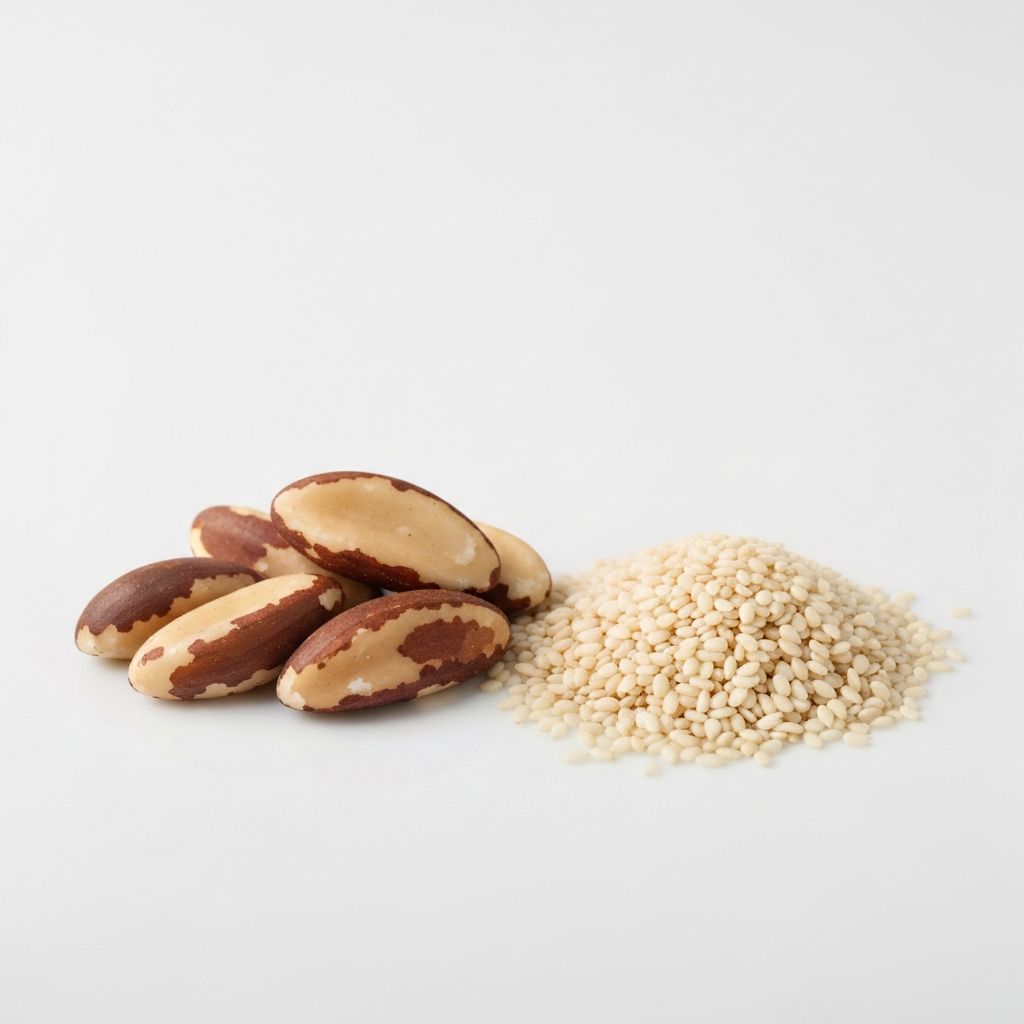
Brazil nuts are particularly rich in selenium, containing more of this mineral per ounce than most other foods. Fish, whole grains, and sesame seeds also provide significant amounts. Including these foods regularly as part of varied daily meals provides this nutrient naturally.

Brazil nuts and sesame seeds

Magnesium Daily Foods

Magnesium is essential for muscle function, energy metabolism, and nervous system support. It's naturally present in many everyday foods.

Pumpkin seeds, almonds, whole grains, and dark leafy vegetables are excellent natural sources. Incorporating these into daily meals ensures regular intake of this important mineral.

Magnesium-rich seeds and grains

Folate Everyday Intake

Folate, also known as vitamin B9, is crucial for cell division and DNA synthesis. It's found naturally in plant-based foods.

Leafy greens like spinach and arugula, legumes, asparagus, and Brussels sprouts are good natural sources of folate. Regular consumption of these foods as part of a varied diet supports normal physiological functions.

Omega-3 Routine Role

Omega-3 fatty acids play important roles in cardiovascular and brain function. These polyunsaturated fats are essential nutrients that the body needs but cannot produce on its own.

Fatty fish like herring, salmon, and mackerel are rich in EPA and DHA forms of omega-3s. Plant sources like flax seeds and walnuts provide ALA, another form of omega-3. Including these foods regularly supports normal physiological function.

Herring and flax seeds

Antioxidant Daily Support

Antioxidants help protect cells from oxidative stress by neutralizing harmful free radicals. Many everyday foods are naturally rich in these compounds.

Fresh raspberries

Berries, especially blueberries and raspberries, contain high levels of antioxidants. Dark leafy vegetables, nuts, and colorful vegetables also contribute antioxidants to daily meals.

Antioxidant-rich vegetables

Regular consumption of antioxidant-rich foods as part of varied nutrition supports normal cellular function.

Routine Balance Context

Nutritional balance in daily eating patterns is about variety and consistency. Different foods provide different nutrients, and no single food contains all nutrients needed.

A diverse approach to everyday meals—incorporating vegetables, proteins, whole grains, nuts, and healthy fats—naturally provides the spectrum of nutrients the body needs for normal physiological function.

Variety in Routine Meals

The importance of dietary variety cannot be overstated. Different foods contain different combinations of nutrients, and variety ensures broader nutrient intake.

Eating a wide range of natural foods—different colored vegetables, various protein sources, diverse grains—creates a more complete nutritional profile in everyday eating. This approach aligns with general principles of balanced nutrition.

Regular Intake Facts

Consistency in eating patterns matters. Nutrients work cumulatively in the body, and regular intake through daily meals is more effective than occasional large amounts.

Establishing routine eating patterns with nutrient-rich foods supports steady physiological function. This isn't about perfection but about maintaining regular, varied dietary habits.

Scientific Routine Notes

Nutrient Absorption: Many nutrients are better absorbed when consumed with fats and in combination with other nutrients, supporting the rationale for varied, balanced meals.

Individual Variation: Nutrient needs vary based on individual factors. This information provides general education about nutrient roles and food sources.

Food First Approach: Food sources of nutrients come with beneficial compounds not found in isolated supplements, supporting a focus on whole foods in daily nutrition.

Learn More About Daily Nutrition

For deeper understanding of how nutrients function in daily physiology and comprehensive information about natural food sources, explore additional educational materials about everyday nutrition and its importance.

Learn More